
Youth Wrestling Shoes 2026: Buying Guide + Sizing for Growing Feet

Buying wrestling shoes for a kid is different from buying them for yourself. You're balancing safety, a season that runs five months, a budget that already took a hit from singlets and tournament fees, and feet that can add a full size between November and March. This guide walks through exactly how to measure, how to size, what features actually matter at the youth level, and which models hold up.
Why youth wrestlers need real wrestling shoes
Almost every sanctioned youth club requires mat-only shoes from the first practice. It isn't a gear-sales rule — a running sneaker has a thick foam midsole that rolls sideways the moment a kid shoots a single, and outdoor tread carries grit and skin infections onto the mat. A proper wrestling shoe has a flat gum-rubber outsole, an ankle-wrapping upper and almost no cushioning, so your wrestler feels the mat and keeps their base.
Step 1 — Measure the foot properly (do this at home, at night)
Stand your wrestler on a sheet of paper against a wall, heel touching the wall, weight on the foot. Mark the tip of the longest toe and measure heel-to-mark in centimeters. Measure both feet — most kids have one foot 3–5 mm longer — and buy for the larger one. Do it in the evening, when feet are at their largest, and repeat it every 8–10 weeks during the season. Nearly every brand publishes a cm chart, and cm is far more reliable than a US number that shifts between brands.
Step 2 — Size true, not 'to grow into'
This is the single most common parent mistake. A wrestling shoe is meant to fit like compression: no heel slip, no dead space over the arch, big toe just brushing the toe cap. A shoe bought a size and a half big lets the heel piston out on stand-ups, rolls the ankle in scrambles, and teaches sloppy footwork. If you must build in a little room, go no more than a half size — about 5 mm — and pair it with a slightly thicker athletic sock for the first months.
Step 3 — The half-size rule for growing feet
Kids between roughly 8 and 14 typically add a half to a full US size per year, and boys often add faster during a growth spurt. A practical rule: if there is more than 10 mm of space in front of the toe at the start of a season, the shoe is too big today. If there is under 3 mm, it will be too small by February. Aim for 5–8 mm of toe room at fitting time and re-check at the holiday break.
Step 4 — Always choose a high-top with a strap
Ankles under about age 14 aren't finished developing, and youth technique is still messy — kids land in positions their joints aren't ready for. A high-top upper with an internal or wrap-around ankle strap keeps the joint stacked through a sprawl. Low-cut split-sole speed shoes are great for a college freestyler; they are the wrong first pair for a ten-year-old.
Step 5 — Look for a reinforced toe and double-stitched seams
Youth wrestlers drag their toes on shots more than adults do, and blowouts almost always start at the toe cap or the flex point behind it. A suede or reinforced-synthetic toe and double stitching around the outsole bond are what separate a shoe that survives a full season from one that splits in January. Skip the thinnest all-mesh tournament shoes at this level.
Laces, straps and the practice-day reality
A youth shoe should be easy for the wrestler to put on alone. Lace garages and a single wide strap are much better than a double-strap system a nine-year-old will fumble at weigh-ins. Whatever you buy, tuck the lace ends — most youth referees will stop a match for a loose lace.
Budget tiers: what you actually need to spend
$60–$95 buys a genuine entry youth shoe with a proper gum-rubber outsole — plenty for a first or second season. $95–$130 gets a lighter upper, a better strap system, and materials that survive daily practice for a competitive club season. Above $130 you're buying adult flagship tech that a growing youth wrestler will outgrow before they use it. For a first-year athlete, spend less on the shoe and more on mat time.
Buying for a season, not a moment
If your wrestler is mid-growth-spurt, plan on one pair per season and buy in the $70–$95 range. If growth has slowed, a $110–$130 shoe can carry two seasons. Keep the old pair as a drill shoe once it gets snug — many families run a competition pair and a practice pair, which roughly doubles the life of both.
Care that keeps them alive all season
Wrestling shoes come off before leaving the room, every time. Loosen the laces and air them out instead of leaving them balled in a bag — trapped moisture rots the glue at the outsole seam and breeds odor. Wipe the soles with a damp cloth weekly so the gum rubber grips; never machine-wash or heat-dry them, which is the fastest way to delaminate a youth shoe.
Quick answer: what should I buy?
First-year youth wrestler on a budget: a high-top strapped entry model in the $69–$79 range. Competitive club kid wrestling three days a week: a mid-tier youth or small adult-size model with a reinforced toe. Older youth already in adult sizes (US 5 and up): a beginner-friendly adult shoe such as the Nike Takedown 4 or ASICS Matflex 7 will fit and last better than a small youth shoe.
Shoes featured in this post
- Nike Takedown 4 — Total Orange— Great step-up once they're in adult sizes
- ASICS Matflex 7 — Grey / Black— Durable entry ASICS for older youth
Frequently asked questions
What size wrestling shoes should I buy for my child?
Measure heel-to-toe in centimeters in the evening, use the larger foot, and match it to the brand's cm chart. Aim for 5–8 mm of room in front of the longest toe — snug everywhere else, with no heel slip.
Should I size up so my kid can grow into them?
No more than a half size. Anything bigger lets the heel lift on stand-ups and the ankle roll in scrambles, and it teaches sloppy footwork. Buy the size that fits now and re-measure at the holiday break.
Do youth wrestlers need high-top shoes?
Yes, almost always. Ankles under roughly age 14 are still developing and youth technique is unpredictable, so a high-top with an ankle strap is the safer choice over a low-cut split-sole speed shoe.
How much should I spend on youth wrestling shoes?
$60–$95 covers a genuine entry shoe that will last a first or second season. $95–$130 is worth it for a club wrestler practicing several days a week. Above $130 is adult flagship tech a growing wrestler will outgrow first.
How long do youth wrestling shoes last?
Usually one season — most kids outgrow them before they wear them out. Running a separate practice pair and competition pair roughly doubles the life of both.
When should my child move from youth to adult wrestling shoes?
Around a US youth 5, where youth and adult sizing overlap. At that point beginner adult models like the Nike Takedown 4 or ASICS Matflex 7 offer better durability and materials at a similar price.
Related models
Hand-picked wrestling shoes that match this guide — tap any model for sizing, specs and photos. See customer reviews →
Ready to gear up?
Browse the latest drops or message us directly for sizing help.
Keep reading
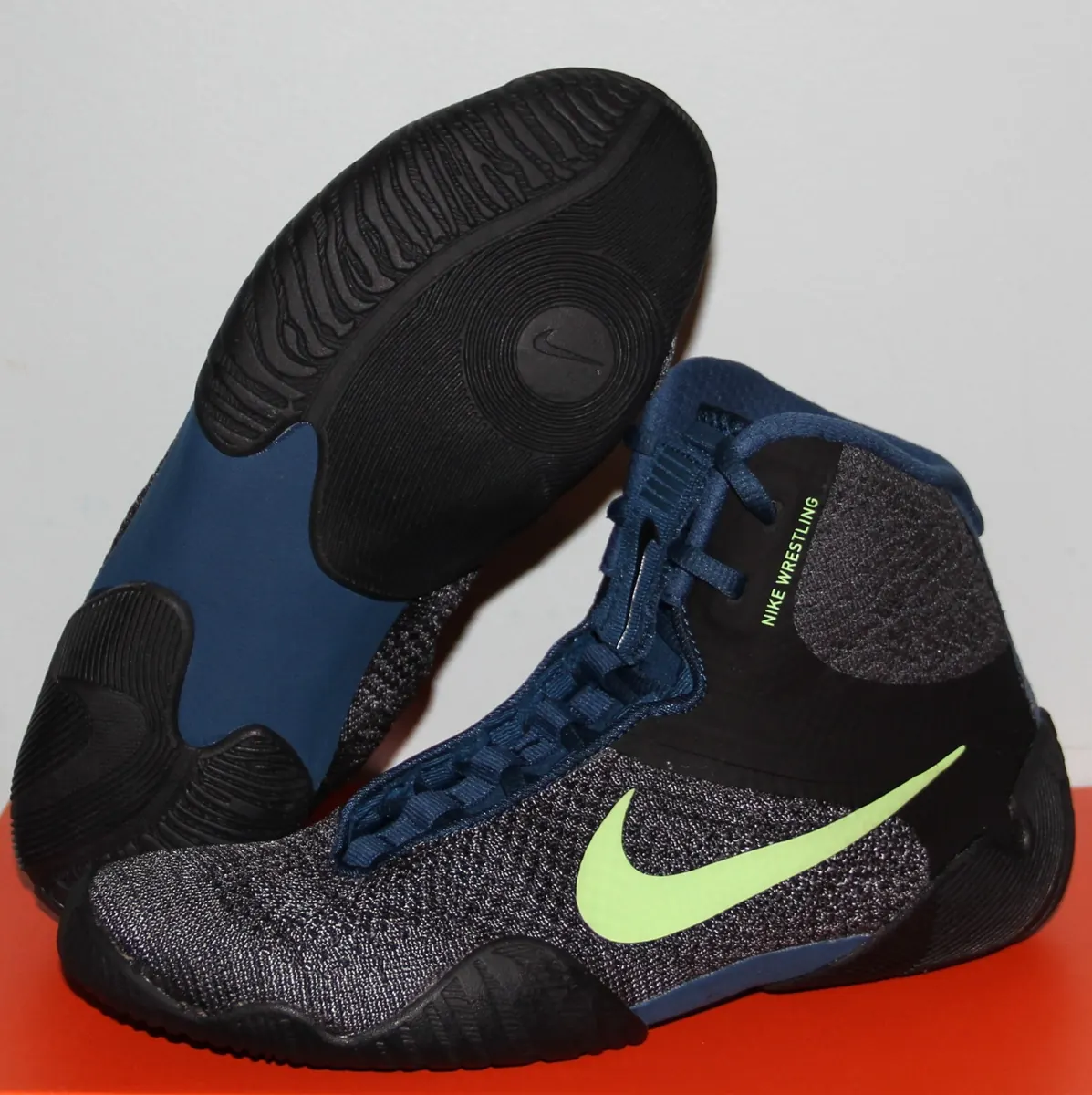
Nike Tawa Wrestling Shoes: Navy/Volt, Fit and Buying Guide
A closer look at our Nike Tawa Navy/Volt listing, Nike's published construction details and the fit questions to ask before buying.
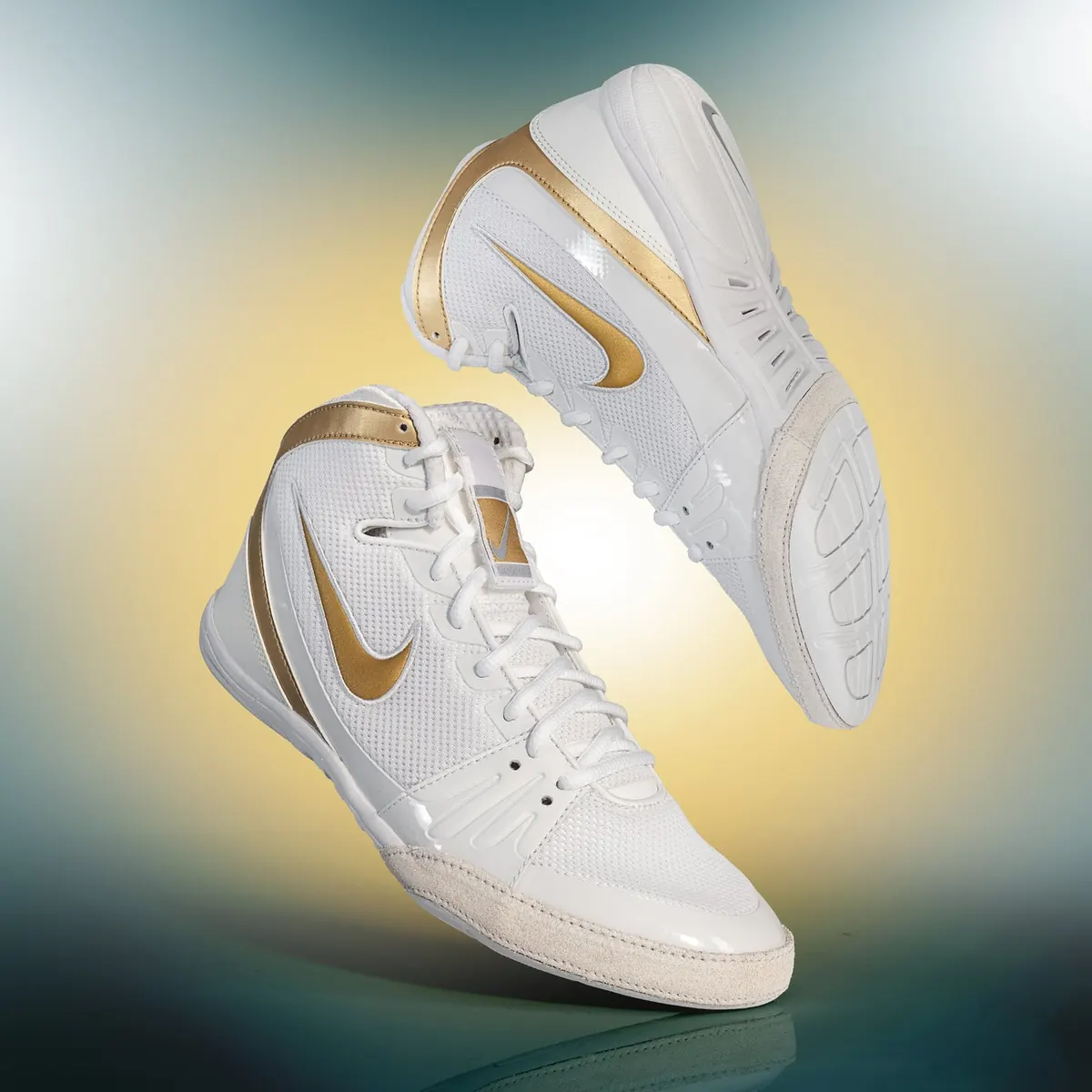
Nike Freek Wrestling Shoes: White/Gold and What to Check
Buying Nike Freek shoes? Compare the actual White/Gold listing and check the edition, size label and order details before payment.