
How to Choose the Right Wrestling Shoe: The Complete 2026 Guide

A wrestling shoe is the only piece of gear that touches the mat every second you're competing. The wrong pair costs you shots, rolls your ankle in a scramble, and leaves your feet numb by the third period. This guide walks you through every decision — fit, sole, ankle height, weight, upper material, brand personality, and the style of wrestling you actually do — so you buy once and buy right.
1. Start with your wrestling style
Folkstyle wrestlers (US high school and college) live in a stance, drive through par terre, and need a stiffer sole with strong ankle wrap. Freestyle and Greco athletes throw more, so a lighter, more flexible split sole with a locked-in midfoot lets you pivot on lifts. If you cross-train MMA or submission grappling, prioritize a low-profile sole and a suede toe cap that survives cage drags.
2. Fit: snug, flat, zero slide
A wrestling shoe should feel like compression on your foot. No heel slip, no toe crunch, no dead space over the arch. Most wrestlers drop a half size from their street shoe — some brands (Nike Inflict, ASICS JB Elite) run long and need a full size down. Try shoes on late in the day with a real athletic sock, then flex into a stance. Your big toe should just brush the inside of the toe cap.
3. Single sole vs split sole
A single (unit) sole runs from heel to toe as one piece — more stability, better for beginners and heavier weight classes. A split sole has a flex groove under the arch — lighter, faster pivots, preferred by freestylers and lighter weight classes. Neither is 'better'; pick the one that matches how you move.
4. Ankle height and support
High-top with an ankle strap (Adidas Combat Speed, Nike Inflict) locks the joint down and is the safest pick if you've ever tweaked an ankle. Mid-cut lace-up shoes (ASICS Aggressor, RUDIS Colossus) give more range for shots and sprawls but ask more of your ankles. Youth wrestlers should almost always be in a high-top with a strap.
5. Weight and breathability
A shoe under 10 oz feels invisible — great for tournaments where you wrestle five matches in a day. But the lightest shoes use thin mesh uppers that soak sweat and lose structure by round two. If you sweat heavily, pick a shoe with a reinforced synthetic overlay (like the Nike Hypersweep or Adidas adizero Varner) so it holds its shape.
6. Upper materials: mesh, synthetic, suede
Mesh breathes best but tears easiest. Synthetic leather holds structure and is the safe all-around pick. Suede toe caps (found on ASICS JB Elite, RUDIS Colossus, Adidas Mat Wizard) add abrasion resistance for wrestlers who drag their toes on shots. If you drill in the same shoes you compete in, spring for a suede toe.
7. Brand personality at a glance
ASICS: precise fit, snug through the midfoot, industry standard for folkstyle. Adidas: roomier toe box, strap-locked ankle, classic Combat Speed feel. Nike: rare and collectible (Inflict 3, Hypersweep, Freek) with the most locked-in fit on the market. RUDIS: newest challenger — split sole with a turbine wrap, aggressive colorways, popular with high school and D1 athletes.
8. Budget: what each price tier actually gets you
$70–$100 (Classic / Youth): full rubber outsole, basic mesh upper, great for first-year wrestlers. $110–$150 (Pro): dual-density sole, reinforced overlays, most wrestlers live here. $150–$200 (Elite / Limited): premium materials, lighter weight, competition-grade — worth it if you wrestle 40+ matches a season.
9. Break-in and care
New shoes feel slick for the first two or three sessions — the factory coating needs to scrub off on a clean mat. Never wear wrestling shoes outside the room; a single walk across the parking lot destroys the outsole grip. After practice, pull the insoles, loosen the laces, and let them air-dry away from heat.
10. When to replace
Watch the outsole. Once the tread flattens under the ball of your foot or the sole starts peeling from the upper at the toe, grip is gone and you're one bad step from an ankle sprain. Most serious wrestlers replace every 6–9 months; casual wrestlers every 12–18.
Quick-pick cheat sheet
Beginner or youth: Adidas Combat Speed 5 or ASICS Matflex — high-top, strap, forgiving fit. Folkstyle high school: ASICS JB Elite IV or Adidas Mat Wizard. Freestyle / lighter weight: Nike Inflict 3 or RUDIS Colossus split sole. Tournament weapon: Nike Hypersweep or ASICS Aggressor — light, fast, ruthless.
Still unsure? Email us with your weight class, style, and any past ankle issues — we'll pick a pair for you and ship it out same day.
Related models
Hand-picked wrestling shoes that match this guide — tap any model for sizing, specs and photos. See customer reviews →
Ready to gear up?
Browse the latest drops or message us directly for sizing help.
Keep reading
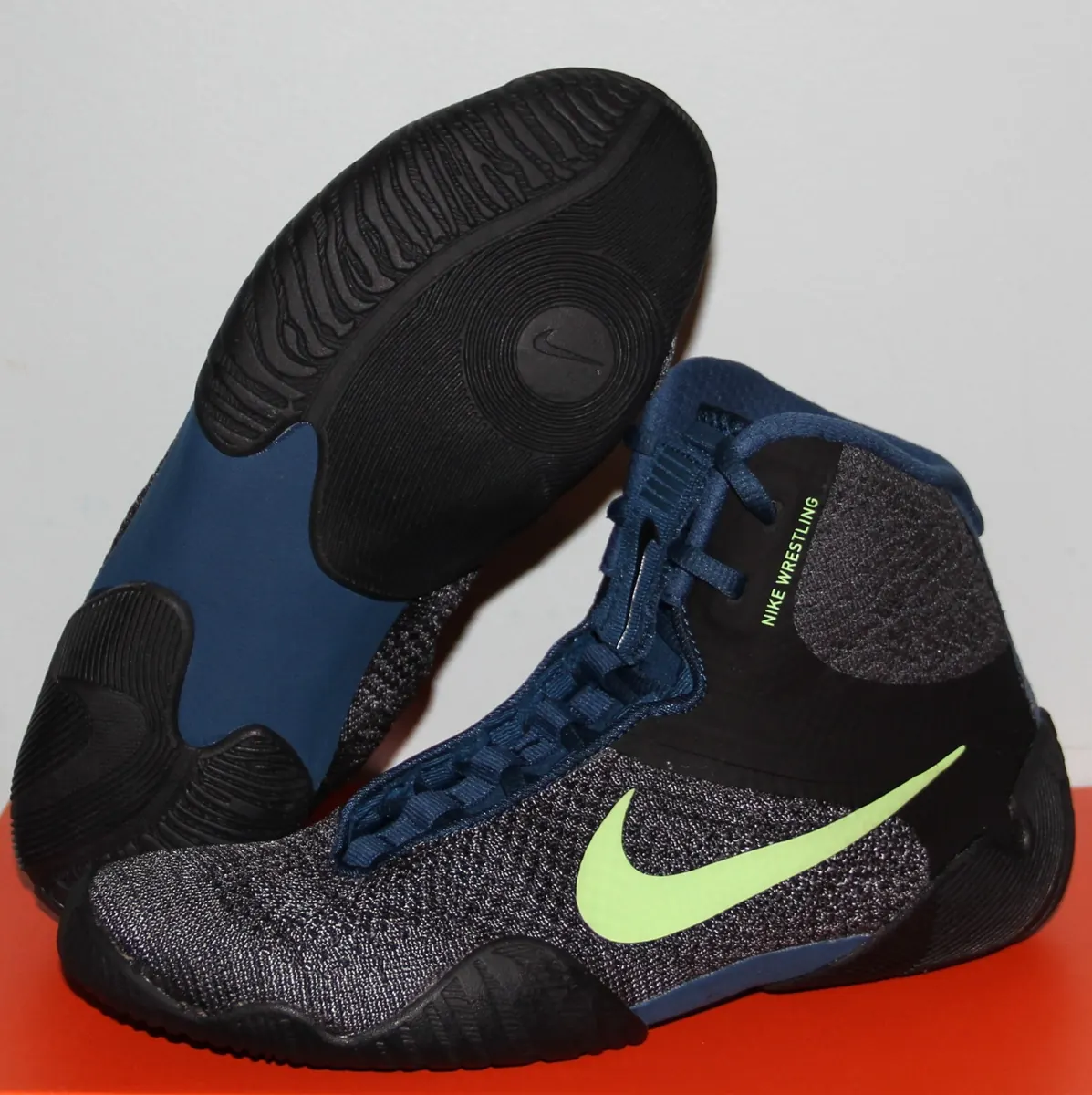
Nike Tawa Wrestling Shoes: Navy/Volt, Fit and Buying Guide
A closer look at our Nike Tawa Navy/Volt listing, Nike's published construction details and the fit questions to ask before buying.
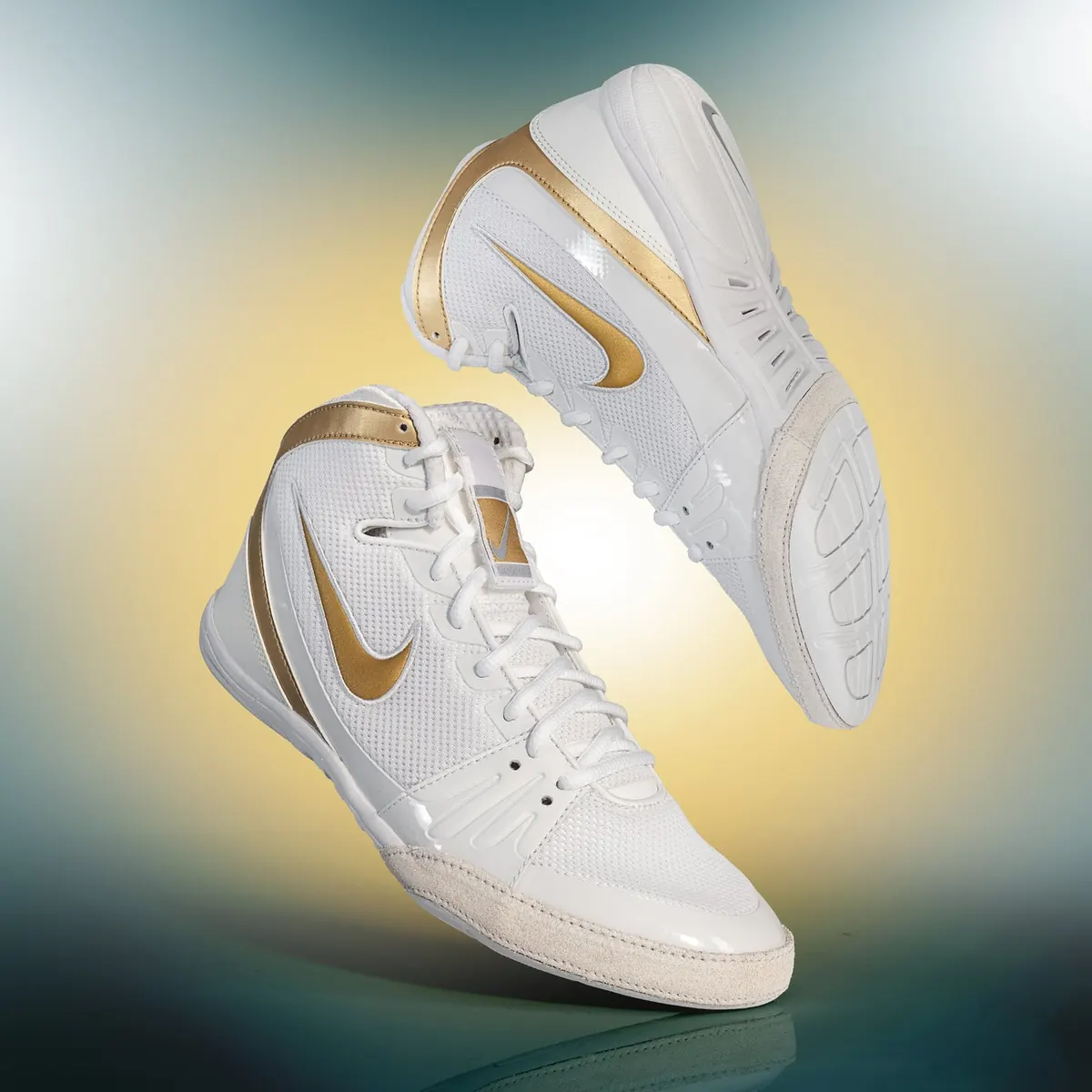
Nike Freek Wrestling Shoes: White/Gold and What to Check
Buying Nike Freek shoes? Compare the actual White/Gold listing and check the edition, size label and order details before payment.